Prospects, Challenges, and the Road Ahead: CEESAM Analysis sets the stage for Project Buhay interventions in Mindoro
Following the launch of Project Buhay, a World Wide Fund for Nature (WWF) Philippines initiative funded through the European Union’s SWITCH-Asia Programme, a Comprehensive Ecological and Economic Social Accounting Matrix (CEESAM) analysis was conducted across three project sites in Occidental Mindoro - the municipalities of Mamburao, Rizal, and Sablayan. Project Buhay aims to help tuna fishers earn more by improving the quality of their catch, reduce post-harvest fish losses, and identify alternative sources of income through various interventions.
In support of these initiatives, the results of the CEESAM analysis will provide crucial context of the economic and ecological status of these sites, as well as spotlight intervention opportunities.
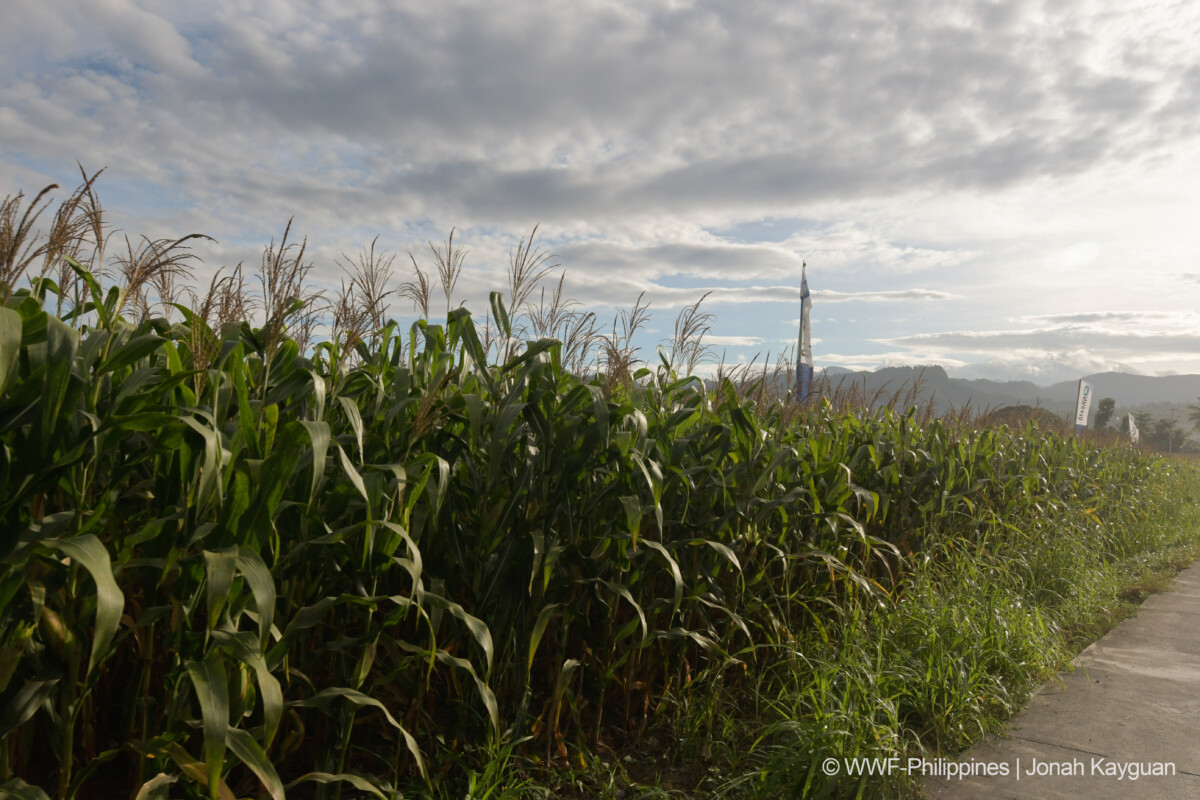
The agricultural sector, both in crops and fisheries, remain the focal point of local economies in Occidental Mindoro.
Project Buhay CEESAM Consultant Mikko Diaz highlighted agriculture as the main contributor to the local economies of the three project sites. Crop farmers were the largest earners in Rizal, while those employed in fisheries had the largest incomes in Mamburao and Sablayan. Despite high average incomes, however, there is still a large disparity between how much boat-owning fishermen were making compared to those hired as crewmates.
For most crewmates and non-boat owners alike, fishing remains a non-sustainable source of income. With fishing being a seasonal activity, most fishermen work as blue-collar laborers to make ends meet.
Fish stocks in municipal waters have also decreased according to interviews with fishermen in the target sites. This has forced fishers to venture further out to sea where they brave tougher weather conditions and spend more for logistical needs. Rampant commercial fishing and lack of law enforcement are frequently cited causes for the dwindling fish stocks. The study also highlighted ecological issues in the three target sites. A combination of land utilization for crops as well as regulated fishing have contributed to a negative ecological balance in both Mamburao and Rizal. Sablaya, meanwhile, manages to maintain a positive balance due to its large biocapacity. Overall, the natural resources of fisheries in Occidental Mindoro are being used faster than they can be replenished.
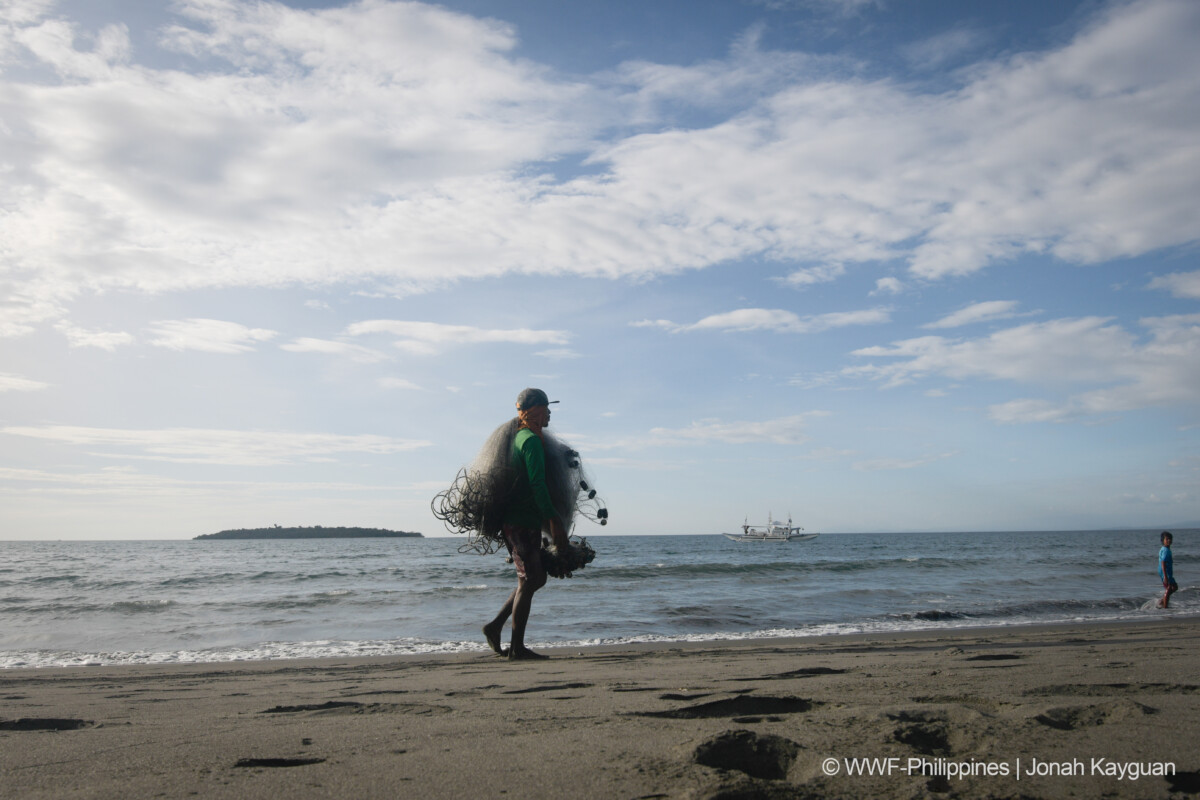
A lone fisherman gathers his nets before sunset.
In recent years, as global economies suffer from the strain of inflation and geopolitical tensions, market prices for basic agricultural equipment have risen, while the selling price for products like yellowfin tuna have failed to catch up. In addition, farmers and fisherfolks lack capital to either support or jumpstart their ventures, forcing many to go into debt. This borrowing culture has resulted in unsustainable and vicious loan cycles that forces fishers to sell their catch for below-market prices just to pay off loans. Institutional support for these loans come from various cooperatives and people’s organizations who act as de facto providers for credit, but as more people default on their loans, so too does it become harder to apply for one.
While overall crop yields and fish catch show a steady rise over the years, issues such as lack of infrastructure, predatory pricing, and unstable markets persist. Farmers and fisherfolks remain at the mercy of volatile market prices and lowballing from major buyers and distributors. Unsold surplus in the sector is an enduring issue due to a distinct lack of marketing and infrastructure to take advantage of such surplus stocks.
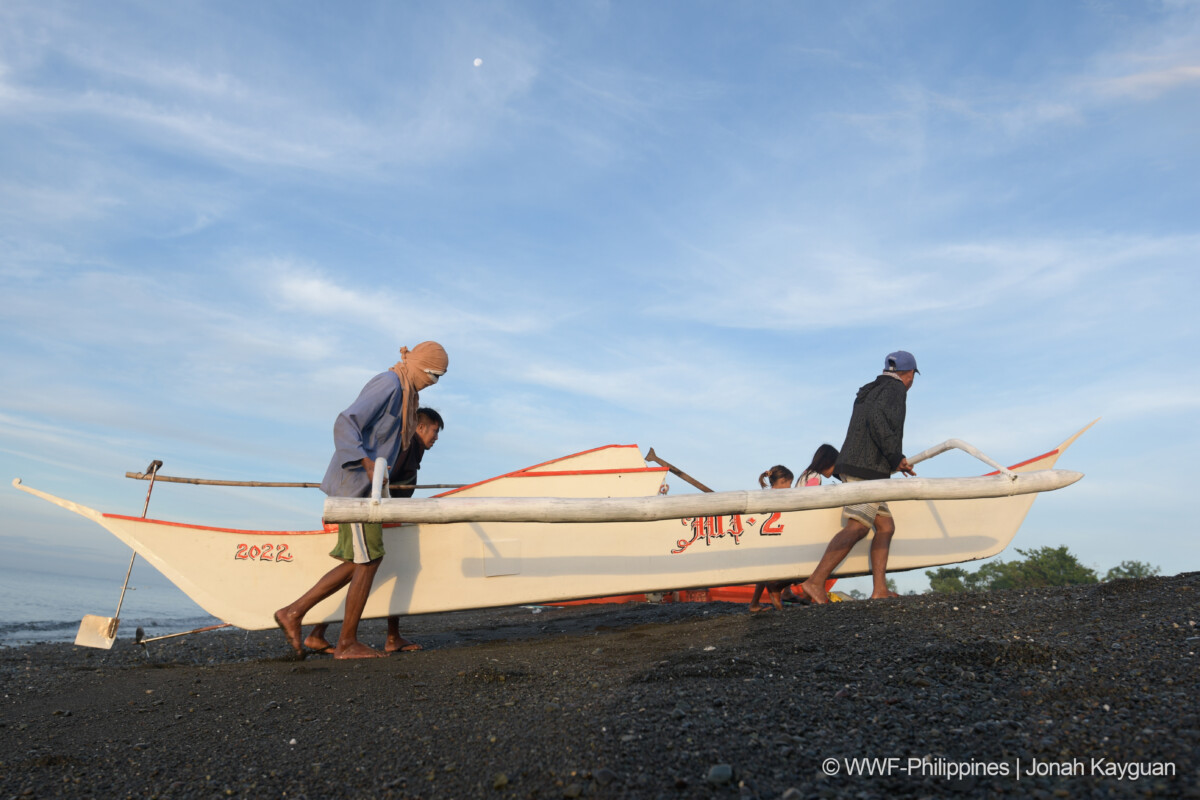
Fisherfolk from Barangay San Nicolas, Sablayan return home shortly after dawn.
Despite considerable challenges however, opportunities abound. Modernizing the agriculture industry and its sub sectors is one such initiative to uplift the community and make livelihoods more sustainable. Strengthening links between financial institutions and the stakeholders can also facilitate access to better lines of credit, sources of capital, and contingency funds. Training on proper record-keeping practices, closer coordination between people’s organizations on the ground, and inciting fishers and farmers to think of themselves as business entities also provide an opportunity to integrate them deeper into the harvest-to-table food chain thereby giving agency to their needs.
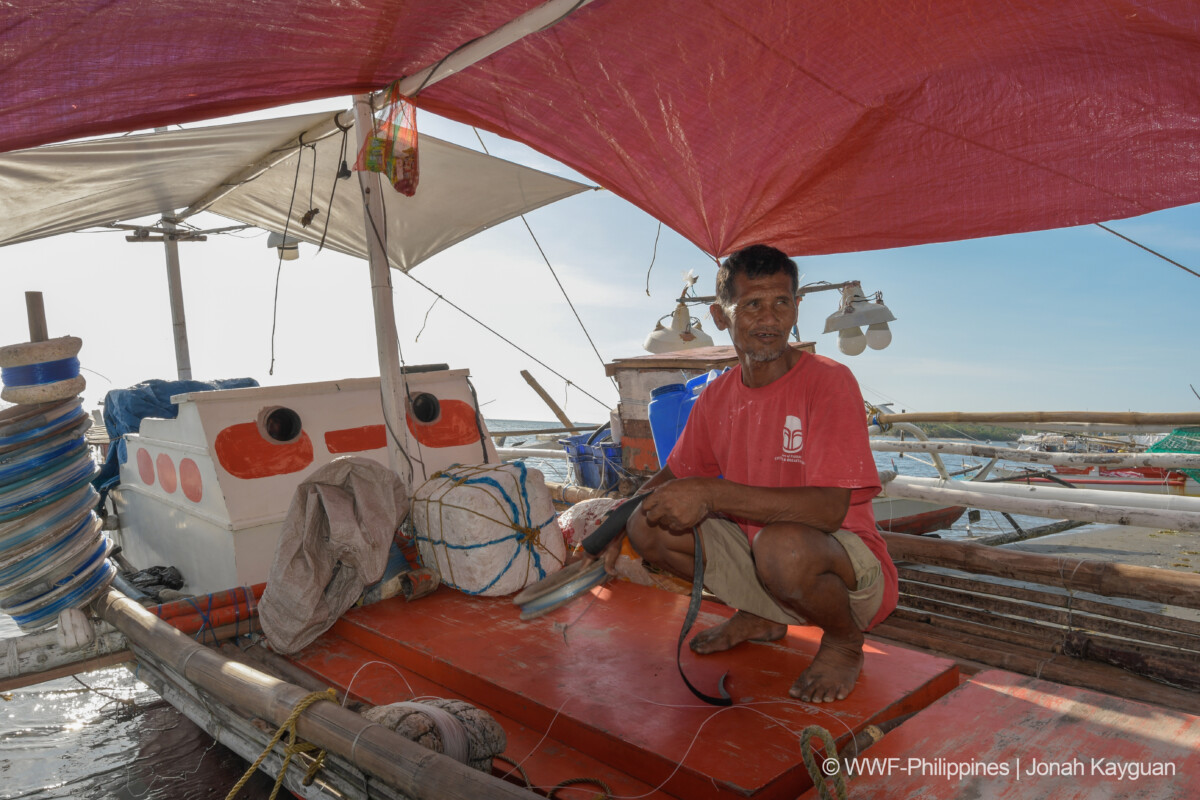
A fisherman inspects his handline fishing equipment.
Towards this end, the CEESAM analysis results will provide solid data-driven foundations for boosting local economies in Occidental Mindoro. Through this, sustainable industries such as ecotourism, aquaculture, and aquasilviculture (mangrove-based fisheries development) interventions are promoted. These combined, are part of WWF-Philippines’ mission to minimize negative environmental impacts in and around Mindoro Strait. In bridging financial gaps, WWF-Philippines can help the established farmer and fisherfolk cooperatives to strengthen their connections with institutional customers thereby opening up a path for stable market pricing and distribution. Similarly, a development planning tool will be provided to participating Local Government Units in Occidental Mindoro in the aim to share simple and advanced economic modeling strategies. Through this, they can guide policy-based approaches as well as promote local and outside investment thus paving the way for long term economic development.
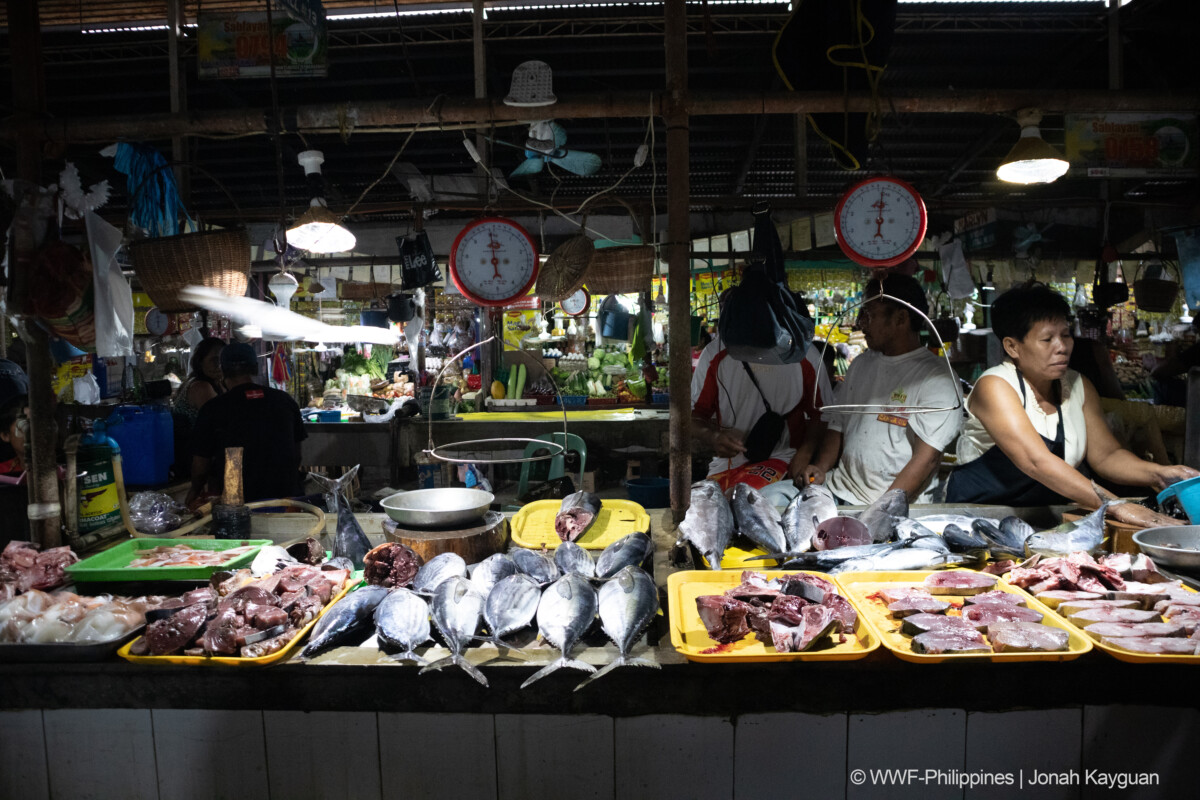
A fresh market in Sablayan, Occidental Mindoro.
WWF-Philippines’ Project Buhay program will work and build on the results of the CEESAM analysis in order to continue facilitating community improvement initiatives in Occidental Mindoro and promote sustainable livelihoods that will benefit both the stakeholders and the environment.
This article was produced with the financial support of the European Union. Its contents are the sole responsibility of WWF-Philippines and do not necessarily reflect the views of the European Union.
For more information, please contact:
Ms. Melody Melo-Rijk
Project Manager
Project Buhay (a.k.a Mindoro Strait Sustainable and Equitable Tuna for Bankability)
mmelorijk@wwf.org.ph
Ms. Lorayne Roque
Integrated Marketing Communications Specialist
Project Buhay (a.k.a Mindoro Strait Sustainable and Equitable Tuna for Bankability)
lroque@wwf.org.ph
About WWF:
WWF is one of the world’s largest and most respected independent conservation organizations, with over 5 million supporters and a global network active in over 100 countries. WWF's mission is to stop the degradation of the Earth's natural environment and to build a future in which humans live in harmony with nature, by conserving the world's biological diversity, ensuring that the use of renewable natural resources is sustainable, and promoting the reduction of pollution and wasteful consumption.
WWF-Philippines has been successfully implementing various conservation projects to help protect some of the most biologically-significant ecosystems in Asia since its establishment as the 26th national organization of the WWF network in 1997.
About Project Buhay:
Project Buhay, internationally known as “Mindoro Strait Sustainable and Equitable Tuna for Bankability” project, is funded by the European Union through their Switch Asia Grants Programme. It aims to make the tuna fishing industry of Occidental Mindoro sustainable and equitable by equipping fishers with proper tuna post-processing knowledge and resources, identifying and growing alternative livelihoods, creating a portfolio of bankable projects, and sharing community stories to inspire replication in other communities. This project will run until January 2025.
About SWITCH Asia:
Launched in 2007, the SWITCH-Asia programme is the largest European Union-funded programme promoting Sustainable Consumption and Production (SCP) supporting 24 countries in Asia and Central Asia. The overall objective of the programme is to promote sustainable and inclusive growth, contribute to the economic prosperity and poverty reduction in Asia and Central Asia and to a transition towards a low-carbon, resource-efficient and circular economy. Learn more at: www.switch-asia.eu