Renewable Energy in the Philippines
Renewable energy is an integral part of the Philippines’ low emissions strategy addressing energy security, access to energy, and climate change concerns.
Renewable energy investments have already saved the Philippines PHP4.04 billion, according to a Philippine Electricity Market Corporation (PEMC) report in 2017. Climate change solutions-provider WWF-Philippines said that offsetting the cost of expensive fossil fuels saved each Filipino consumer 5.67 centavos, while generating local jobs and reducing the country’s share of carbon emissions by an impressive 2.8 million tons.
Clean and renewable energy sources like geothermal, hydro, wind, biomass, and solar energy are among the country’s few competitive advantages – especially since the Philippines has no significant deposits of fossil fuels. Its continued dependence on imported fuel has made Philippine electricity rates among the highest in Southeast Asia.
Relying more on renewable energy has brought down the cost of electricity with fuel diversity, shielding Filipinos from price fluctuations as no fuel cost is incurred, as well as increased energy access with distributed renewable energy reaching off-grid communities.
WWF-Philippines has advocated shifting to renewable energy for years while optimizing energy use. WWF-Philippines has pointed out the adverse effects of fossil fuel use on nature, biodiversity, clean air and health, and the adverse economic impacts of prolonged reliance thereto. WWF’s study on Building Momentum for Low Carbon Development in the Philippines presented a viable roadmap for 100 percent renewable energy possible since the country hosts a vast potential of renewable energy resources.
Monitoring Renewable Energy Implementation in the Philippines
The MoRE: Monitoring Renewable Energy Implementation in the Philippines Project’s objective is to contribute to the acceleration of renewable energy implementation in the Philippines. The Philippines aims to reach the renewable energy share of at least 35 percent of the energy mix by 2030 and more than 50 percent by 2040 (DOE 2021). The overall goal is for the Philippines to transition to net-zero greenhouse gas (GHG) emissions by accelerating applications of renewable, low-carbon, and no-carbon energy sources to fulfill the country’s energy demands while achieving its Nationally Determined Contribution (NDC) targets and aligning with the 1.5°C global temperature goal.
The MoRE Project, in close coordination with government agencies, civil society, and other industry partners, aims to enhance policy processes, particularly addressing gaps in monitoring the status and performance of renewable energy policies. It seeks to determine the challenges encountered by policymakers in the development and implementation of various renewable energy mechanisms. The project’s ultimate goal is to come up with a monitoring tool that will aid in the advocacy for increased renewable energy share in the country’s energy mix by enabling an efficient exchange of information between and among relevant government agencies and policymakers.
News and Events
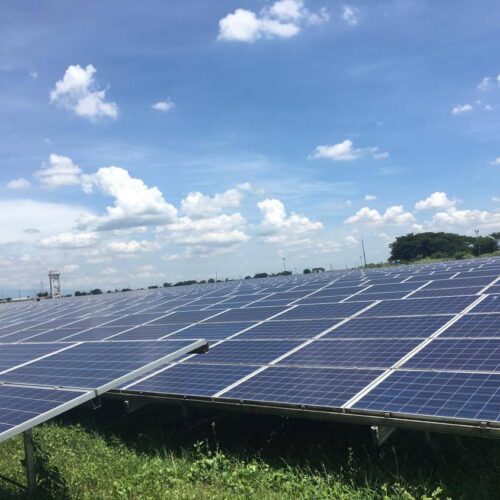
Growth of renewable energy hampered by long permitting process, lack of promotions and incentives: WWF-Philippines report
Round Table Discussions
WWF-Philippines conducted an online round table discussion on 2 September 2022 and an in-person round table discussion on 28 October 2022.
These events brought together experts, government agencies, renewable energy developers, civil society organizations (CSOs), and other critical stakeholders, and had been an excellent opportunity to discuss the status of existing renewable energy mechanisms and to explore other ways of collaboration.
Publications
Contact Us
If you would like to know more about our work, please feel free to contact us:
Atty. Angela Consuelo Ibay, Head, Climate and Energy | gibay@wwf.org.ph
Geraldine Anne Velasco, Project Manager, MoRE | gvelasco@wwf.org.ph